
If you missed it, see my previous newsletter:

Agenda
Important Announcements
Civics 101: Westminster’s Diversion Programs
🚨 Important Announcements
On October 10, ballots for the November 4, 2025 election will be mailed to all active registered voters. 24-hour ballot drop boxes will be opened. Some in-person vote centers will also be open early.
Call to action: please make a plan to vote early (for Obi!) and tell all of your neighbors to do the same. November 4 is the final day to return your ballots, but please don’t wait that long because there are some candidates hiding their true intent to mass fire our city employees and reverse the progress made these past 4 years.
September 30 deadline: Donating to my campaign for City Council before September 30 matters the most because every dollar funds door knocking, phone calls, and mail to connect with undecided voters in October.
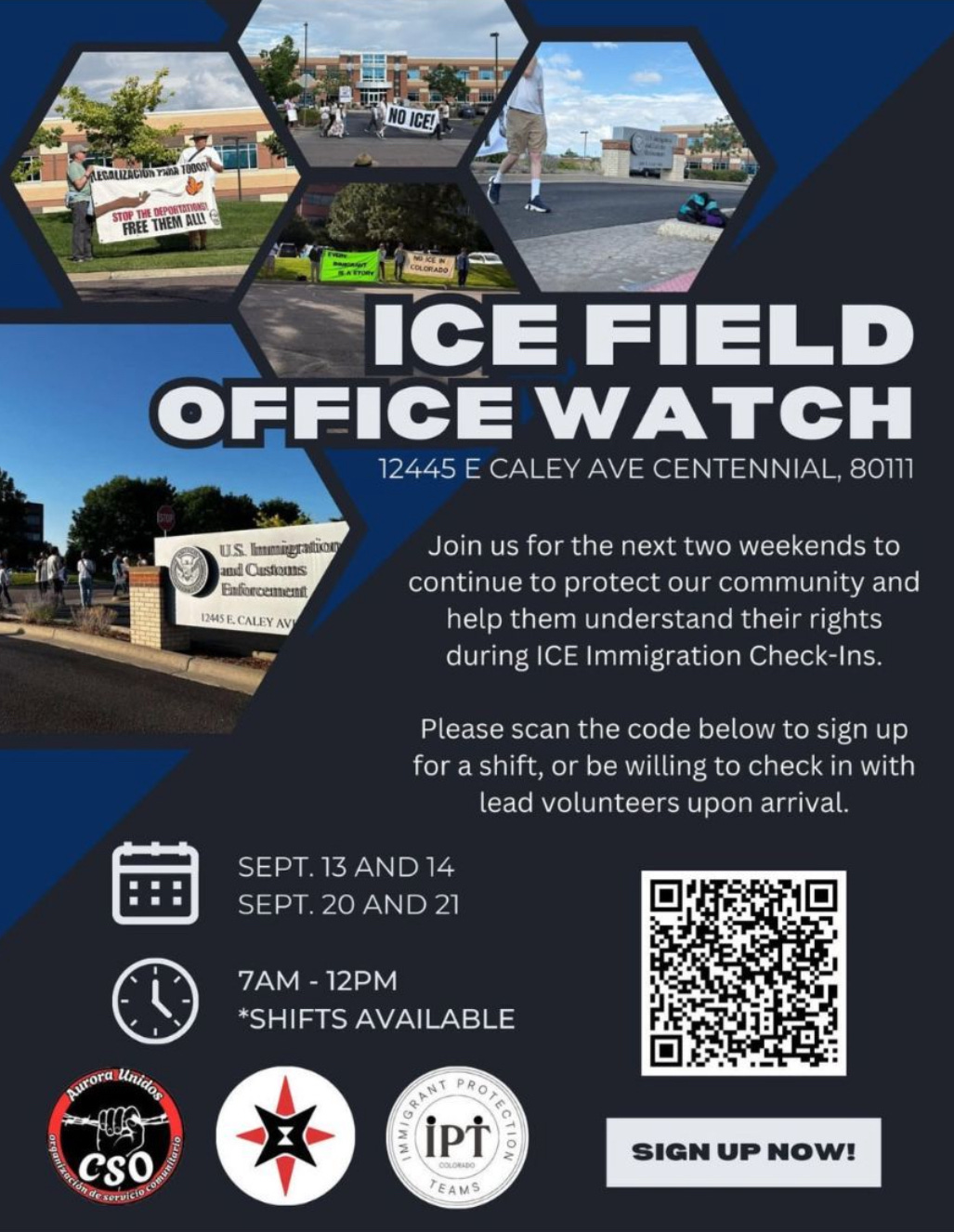
Special Event on Sept 20 and 21: Spanish speaking volunteers from Westminster and surrounding cities are coordinating weekend outreach at the ICE field office to provide rights based information to immigrants attending scheduled check ins. This effort has already helped prevent unlawful detentions and ensured families understand their legal protections. Scan the QR code below to sign up to assist.
Civics 101: Westminster’s Diversion Programs
“Civics 101” is a series where I shed light on the inner workings of our government and tackle important topics of our political discourse with the public. It's an educational initiative designed to break down complex processes and foster an informed, active community.
I have written countless Civics 101 lessons. Here is a small sample collection for your perusal: Civics 101: Differences between City, State, and Federal Government, Civics 101: The United States Constitution, Civics 101: Inflation, Civics 101: Development, Civics 101: Oil & the Price of Gas, Civics 101: Water Infrastructure (Part 1)
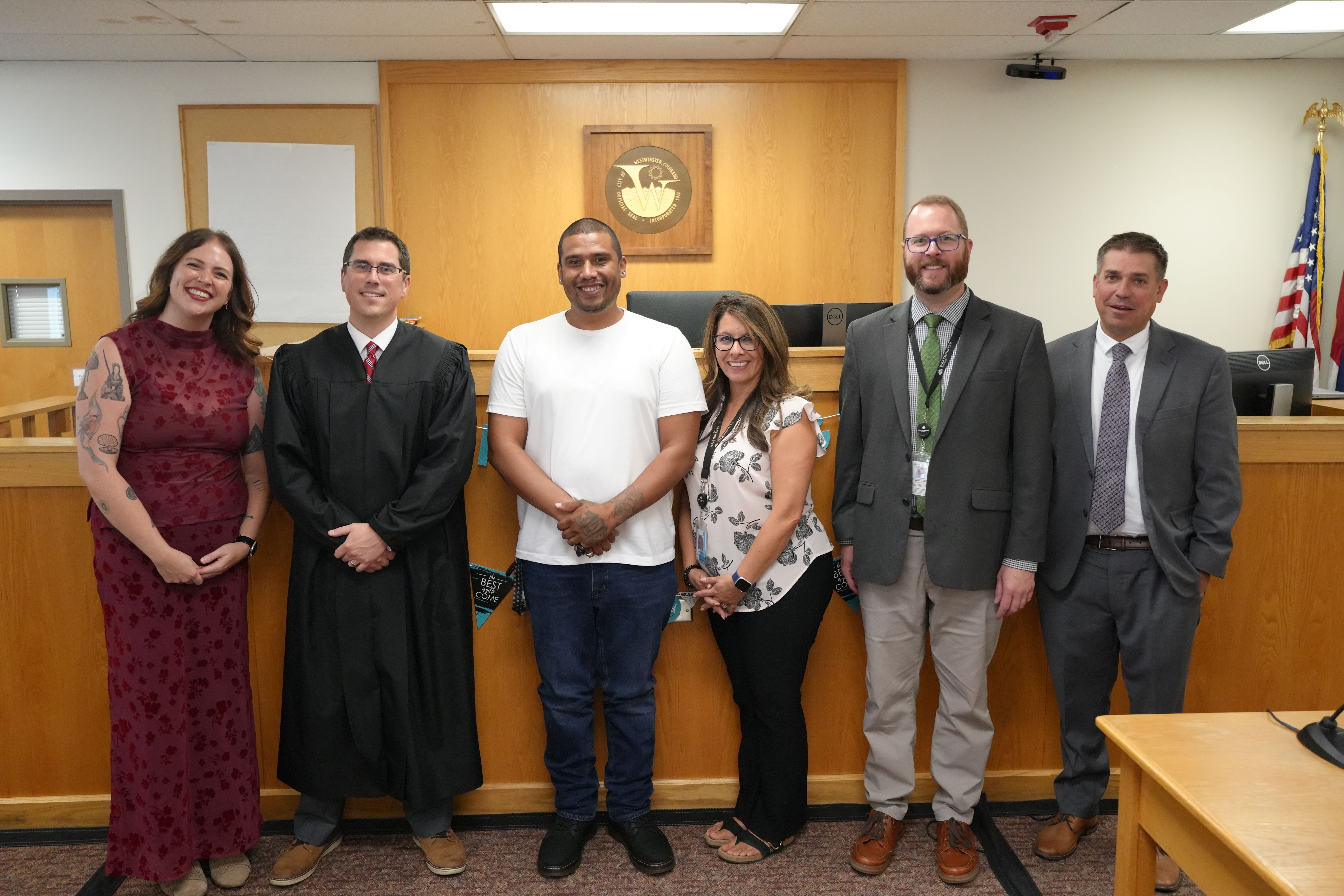
One of my biggest accomplishments as a City Councilor was working with Police Chief Norm Haubert, and fellow Council colleagues Sarah Nurmela, Nancy McNally, David DeMott, Richard Seymour, and Lindsey Emmons to drive police vacancies down from a region-worst 13% to an area-leading 1%. That achievement, along with regional collaboration and several changes we made to our city laws, helped cut car thefts in Westminster 50% by 2023. Yet even with that success, I am even more proud of Westminster’s growing diversion programs, which tackle the root causes of crime and reduce repeat offenses. None of these would have been possible without the right City Council and the leadership of Municipal Court Judge Jason Lantagne and Police Chief Norm Haubert.
Diversion programs are an alternative to traditional prosecution, designed to address root causes of criminal behavior while reducing recidivism, which is the tendency of someone with a prior offense to reoffend. They lower system costs and improve long term outcomes. Diversion reduces recidivism by connecting people to treatment, housing, and employment instead of leaving them with untreated addiction, homelessness, or joblessness that often fuel repeat offenses.
Across Jefferson and Gilpin counties, District Attorney Alexis King’s Pathways program has set a high bar: a 91% success rate since 2022, with none of the 57 youth who completed the program over a year ago facing new charges. By comparison, national recidivism averages hover around 50% for those released from prison. This evidence shows diversion is not leniency. It is accountability that works. King’s program is now considered a model for Colorado prosecutors seeking results that are smart on rehabilitation, and District Attorney Brian Mason’s diversion initiative in Adams and Broomfield counties has shown equal promise by keeping more than 85% of participants crime free for three years through restorative justice and evidence based practices.
Click here to Donate $100 to help re-elect Obi to City Council (If you’ve saved your payment information with ActBlue Express donation will go through immediately)
Westminster operates two diversion tracks through its courts.
Westminster’s Juvenile Post-Citation, pre-appearance diversion program
The first is a juvenile pre-appearance diversion program for youth charged with alcohol or marijuana possession. If a juvenile receives a first citation, the officer can refer them into diversion without requiring a court appearance. Upon successful completion of the requirements, the citation is dismissed. Repeat offenders must still come to court. Procedures differ depending on whether the offense occurred in Adams or Jefferson County.
In Adams County, juveniles are referred to a substance abuse education program. When proof of completion is provided, the citation is dismissed. Westminster previously partnered with The Link to provide a more robust process, where staff assessed the juvenile’s risk level and connected families to other resources such as housing and nutrition programs. With the closure of The Link, the City lost that partnership and continues to explore replacements.
On the Jefferson County side of Westminster, the City partners with the Juvenile Assessment Center. Juveniles complete an intake risk and resource assessment through the JAC, and successful completion also results in dismissal of the citation.
Westminster’s Wellness Court Program
The second is the Wellness Court Program, a post plea diversion option designed to reduce the risk that individuals will reoffend by addressing the circumstances that contributed to their criminal conduct. The program was launched with a 2023 grant that funds a Navigator position. The Wellness Court Team consists of a judge, navigator, prosecutor, public defender, probation officer, and a co-responder. The Navigator role is critical, helping participants access community resources and stay engaged in treatment and accountability. The program follows evidence based principles that combine incentives and sanctions. Every participant completes a comprehensive mental health and substance abuse assessment, and program requirements are tailored to individual needs and goals.
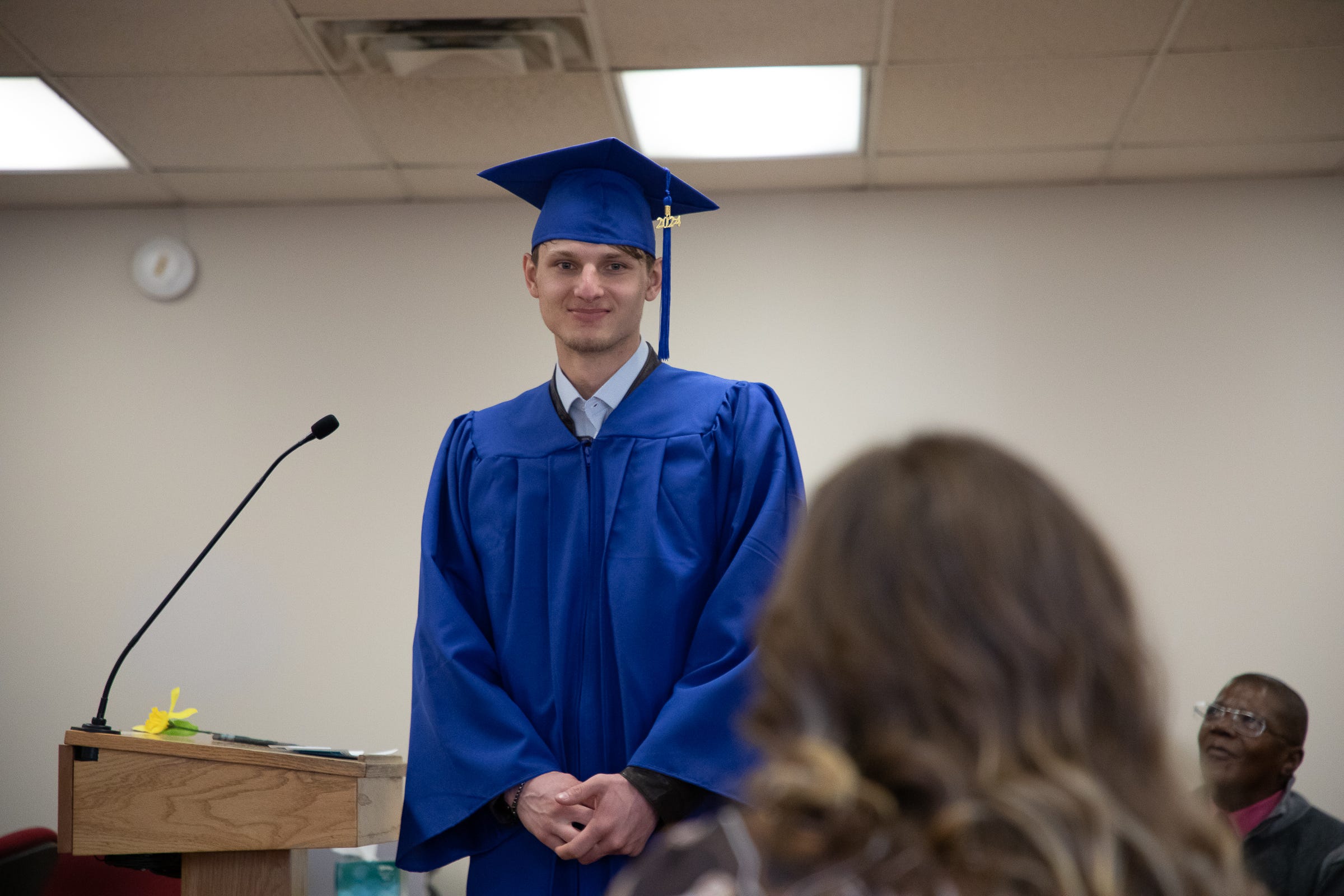
Wellness Court is structured into three phases. Participants may be required to access healthcare, secure housing, connect to employment, obtain transportation, or engage with substance abuse treatment depending on their circumstances. Each phase builds toward greater stability and accountability, culminating in a formal graduation ceremony at the completion of Phase 3. In some cases, successful graduation also results in dismissal of the participant’s case. The program is still relatively new and continues to expand through additional partnerships so that resources can be made more readily available.
Graduates demonstrate how structured diversion changes lives.
Allan was unhoused and sleeping in an alley when he entered the program on harassment and trespassing charges. He graduated with a job, medication management, and an apartment of his own.
Jenny was living in a pickup truck and using meth daily when she entered the program. After struggling early with relapse, she built trust with the Navigator and team, engaged with peer recovery coaching, found sober housing, and eventually became a recovery specialist herself.

Paula entered the program after decades of alcoholism and criminal justice involvement. She was paired with a peer recovery specialist who shared similar lived experience, which transformed her approach to treatment and allowed her to rebuild her life for the sake of her grandchildren.

Other graduates found employment, rebuilt family ties, and demonstrated long term sobriety, with outcomes ranging from buying a car with saved earnings to studying for professional certifications.
The lesson is clear: diversion programs do not succeed by chance.
They are built case by case, phase by phase, with teams of judges, navigators, officers, and families working together. Westminster’s future safety will depend not only on enforcement, but also on investing in diversion as living infrastructure. These programs protect public order, reduce recidivism, and give residents a real path back into community life.
Click here to Donate $100 to help re-elect Obi to City Council (If you’ve saved your payment information with ActBlue Express donation will go through immediately)
About Obi Ezeadi
Obi Ezeadi is a first-generation American, first responder (EMT) and City Councilor who champions economic, democratic, and personal freedoms for all of Westminster. In his first 4 years, he came in as an outsider and delivered:
Expanded open space and parks
Expanded housing options (condos, townhomes, housing people can afford)
Made water more affordable and secured clean water for generations
Increased Mental health support
First Collective Bargaining Agreements for Fire and Police
Led the establishment of free transport service for seniors & disabled residents
Drove police vacancies down from a region-worst 13% to an area-leading 1%
Cut car thefts by 50%
Invested to solve unhoused crisis
Elevated transparency and accountability with our residents
Donate to help re-elect Obi to City Council:
If you’ve saved your payment information with ActBlue Express, your donation will go through immediately.
View some of Obi’s accomplishments below:

Share it with a friend or neighbor. The better informed we are, the stronger our democracy.
Click: Obi’s Community Resources Master List
This page has a collection of links to important community resources related to water bills, housing, healthcare and more. If you know of a resource that should be added to this list, please email me to let me know!
Link to my full voting record.
Some ways I try to meet you where you are:
I hold weekly office hours (every Monday at 4:30PM at City Hall) - no appointment needed
Follow Obi on Instagram
Text or call me: 720-447-5606
Door-knocking (not for an election) to meet you where you are, connect you to resources and hear from you about issues I should prioritize
City Council Town Halls around the city