
Yes, the rumors are true: I'm committed to tackling the issues that many other politicians shy away from discussing. Today, let’s talk about money in politics. I’ll give a Civics 101 that will focus on tackling the outsized role of money in politics and the classism that exists in our state and local governments.
The Drama Behind the Government Shutdown
You may have heard about the recent government shutdown drama. It's a perfect example of how money and power can distort the democratic process. Party leaders are more concerned about appeasing big donors than representing their constituents; and political infighting and maneuvering put the stability of our government at risk.
Here’s what happened last weekend:
The Speaker of the House attempted to avoid a government shutdown by compromising with his party's right-flank, offering a short-term budget with deep program cuts. The right-flank rejected it, aiming for the shutdown instead.
In a dramatic turn, the Speaker bypassed his own right-flank to negotiate with the minority party for a clean 45-day budget extension. This move infuriated his right-flank and left the minority party skeptical.
The situation escalated when a leader from the right-flank prepared to make a motion to fire the Speaker. The session was abruptly adjourned, delaying the motion but leaving the Speaker's future uncertain. This is uncharted territory, as no Speaker has been fired in over a century.
Yikes! This is more than political theater; it's a critical moment that could reshape our government. Stay engaged; I’ll keep you informed with updates.
Civics 101: The Double-Edged Sword of Money in Politics
Here’s the “Too Long, Didn’t Read” (TLDR) version: the role of money in politics serves as a double-edged sword. On one hand, it can create a pay-to-play environment that favors the wealthy. On the other, the lack of financial incentives to become a lawmaker at the state and local levels can perpetuate classism in political representation. Both issues call for urgent reform to create a more equitable and democratic system.
Here’s the full version…
Too Much Money in Campaigns
Influence Over Policy: When campaigns are awash with money, especially from large donors or corporations, it can disproportionately influence policy decisions. This undermines the principle of "one person, one vote," skewing representation towards those with deeper pockets.
Barrier to Entry: The need for massive fundraising creates a high barrier to entry for potential candidates. This often excludes grassroots candidates (like Obi!) who may have strong community support but lack the financial resources to compete.
Public Trust: Excessive spending on political campaigns can erode public trust. When people see millions spent on attack ads and marketing, they may (and should) question the authenticity and intentions of the candidates.
The Classism of Low Pay in State and Local Politics
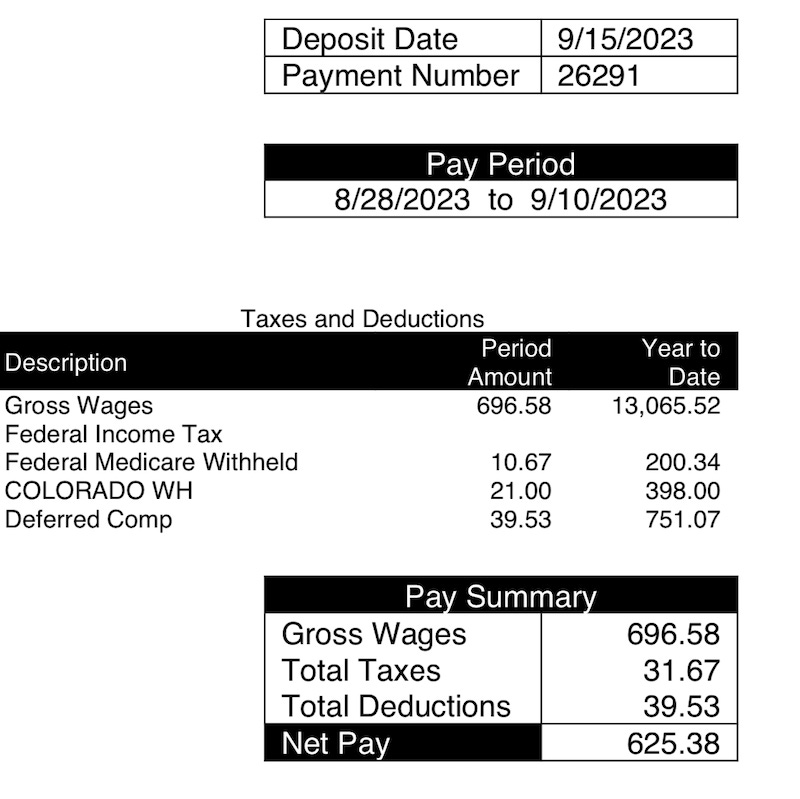
Example salaries:
The above is a screenshot of my actual bi-weekly pay for City Council.
State lawmakers make about $44K gross annual salary pay.
State Board of Education electeds make $0. ZERO dollars.
Limited Participation: Low salaries for state and local electeds mean that only those with other means of income can afford to serve. This limits the pool of candidates to those who are financially well-off, reducing representation for various social classes.
Quality of Governance: When public service doesn't pay a living wage, it can deter talented individuals from running for office or staying in a political career. This can result in a less effective government. Personally, I’m able to focus entirely on the issues that matter most to us all because I do not depend on the salary of my position. But that’s not the reality for most elected officials, nor for aspiring ones.
Focus on Fundraising: Low pay can also force politicians to spend more time on fundraising activities rather than governance. This diverts attention from pressing issues and can make politicians more susceptible to influence from donors.
I'm running for State Senate because I believe in a government that serves everyone, not just those who can afford to pay for influence. If you're tired of business as usual and want to be part of a movement that prioritizes shared purpose over self-interest, I invite you to join me.
Yours in service and hope,
Obi Ezeadi